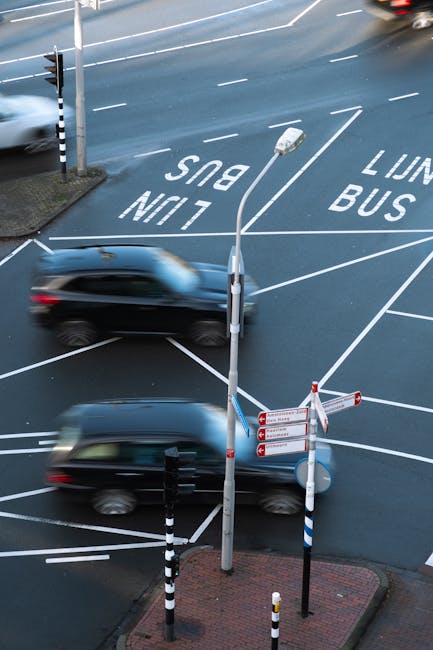
New Cross Road rubbish clearance rules for narrow streets

If you have ever tried to get rubbish cleared from a tight terrace, a one-way side road, or a busy stretch off New Cross Road, you will know the problem straight away: the waste is there, the access is not. New Cross Road rubbish clearance rules for narrow streets are not just about moving bags from A to B. They are about safe access, sensible loading, avoiding blocked pavements, and making sure the job fits the street rather than forcing the street to fit the job.
This guide walks through what those rules and practical expectations usually mean in real life, how clearance is handled in narrow roads, and what to do if you are dealing with furniture, builders' waste, office clear-outs, or a full home clearance. It is written for anyone who wants the job done neatly, without the usual faff, and without creating trouble for neighbours or passing traffic.
- Why it matters
- How it works
- Key benefits and practical advantages
- Who this is for and when it makes sense
- Step-by-step guidance
- Expert tips for better results
- Common mistakes to avoid
- Tools, resources and recommendations
- Law, compliance, standards, or best practice
- Options, methods, or comparison table
- Case study or real-world example
- Practical checklist
- Conclusion
- Frequently Asked Questions
Why New Cross Road rubbish clearance rules for narrow streets Matters
Narrow streets change everything. On a wide road, a clearance team can often park close, open the vehicle safely, and move items in a straight line. On a tighter New Cross Road side street, the same job can quickly become awkward if nobody plans ahead. That matters because awkward waste removal is where damage, delays, complaints, and avoidable costs usually start.
In practice, the "rules" are a mix of legal duties, street-use common sense, and operator responsibility. You may need to think about parking, loading times, pedestrian access, noise, and how waste is staged while it waits to be loaded. If a mattress is leaning across a narrow pavement for ten minutes, that is one thing. If a full pile of builders' rubble is left there while everyone steps into the road, that is another. Not ideal, to be fair.
The other reason this topic matters is neighbour relations. New Cross has plenty of close-set housing, flats, and busy mixed-use pockets. A clearance that is smooth and tidy is barely noticed. A clearance that blocks a doorstep or rattles bins at 7 a.m.? People remember that. And once the street starts grumbling, everything gets harder.
Expert summary: On narrow streets, rubbish clearance works best when access, timing, item sorting, and loading method are planned before anyone turns up with a van. The street decides the process, not the other way round.
How New Cross Road rubbish clearance rules for narrow streets Works
There is no single universal playbook, because each street is different. Still, there is a fairly reliable pattern. First, the team looks at access: how wide is the road, can a vehicle stop safely, is there room to manoeuvre, and can waste be carried out without creating a hazard? Then they decide whether a standard van, a smaller vehicle, or a shuttle-style approach is best.
On many narrow roads, the job happens in stages. Items are brought out from the property, grouped neatly, and loaded quickly. That sounds simple, but the real skill is in controlling the mess. A good crew keeps the path clear, avoids dragging waste across pavements, and works in a way that does not trap residents behind a heap of old furniture and broken shelving.
If the street is especially tight, the team may need to adjust the collection plan around parking restrictions, bin days, school runs, or delivery windows. Sometimes that means a quieter time slot. Sometimes it means a smaller vehicle and more frequent trips. Sometimes it means a clear-out is easier with mixed loading and more careful item handling.
For larger or more awkward jobs, the right service matters. A general waste removal service may suit mixed loads, while heavier clear-outs can be better handled through specialist pages such as builders waste clearance or a focused house clearance when a property needs a fuller reset.
One practical point people often miss: the best method is not always the most obvious one. A tiny flat above a shop may be quicker to clear than a half-empty house if access is poor. Strange but true. A few stairs and a short hallway can be easier than a road where no vehicle can stop properly.
Key Benefits and Practical Advantages
Getting the clearance method right on a narrow street gives you more than a tidy kerb. It improves the whole job from start to finish.
- Fewer access problems: Careful planning reduces the chance of blocked driveways, near-misses, or frustrated neighbours.
- Faster loading: When waste is staged properly, the crew can move through the job without constant repositioning.
- Lower risk of damage: Doors, railings, car mirrors, and basement steps are less likely to be knocked or scraped.
- Better street safety: Narrow roads need extra attention to pedestrians, cyclists, and delivery traffic.
- Cleaner presentation: A neat clearance feels respectful, especially in compact residential streets where everything is visible.
- Less disruption for you: Good planning means fewer surprises, fewer phone calls, and less standing around wondering what is happening.
If you are clearing a flat, a one-bed house, or an office with awkward access, a specialist approach can save a lot of stress. For example, a flat clearance in a narrow New Cross Road mews-style street needs different handling from a driveway-led suburban job. The items may be similar; the logistics are not.
There is also a recycling upside. When waste is sorted properly before loading, it is much easier to send the right materials to the right route. That is where good planning supports sustainability, not just convenience. If that side of the job matters to you, take a look at recycling and sustainability for a sense of the service approach.
Who This Is For and When It Makes Sense
This kind of guidance is useful if you live or work on a road where access is tight and waste cannot simply be rolled out to a waiting truck. It is especially relevant for:
- tenants and landlords with flats above ground-floor units
- homeowners on narrow terraced streets
- builders working on refurbishments where skips are awkward or impractical
- business owners clearing stock, fittings, or old office furniture
- families handling bereavement clearances or end-of-tenancy clear-outs
- people with bulky items like sofas, wardrobes, fridges, or mattress piles
It also makes sense if you are managing an awkward mix of items. A garage clearance, loft clearance, or garden clearance can all become more complicated when the route from the property to the road is cramped, shared, or partially blocked by parked cars.
And yes, if you are looking at a "quick one-hour job" and thinking it will be straightforward, narrow streets have a habit of humbling that assumption. They are good at that.
For office landlords and small firms, the same logic applies. Clearing desks, cabinets, confidential paperwork, or obsolete kit from a road with poor loading access needs a plan. A dedicated office clearance or confidential shredding service can keep the job tidy and reduce the chance of sensitive material being left unsecured.
Step-by-Step Guidance
Here is the practical way to handle rubbish clearance on a narrow New Cross Road street without making life harder than it needs to be.
- Walk the access route first. Check the pavement, front path, doorway, stairs, and any tight turns. If you cannot move a wardrobe through a hallway without grazing the wall, it is worth knowing before collection day.
- Separate the waste by type. Put general rubbish, furniture, electrical items, builders' waste, and anything hazardous into different groups where possible. This speeds up loading and reduces sorting later.
- Measure the awkward items. Large wardrobes, range cookers, American-style fridges, and corner sofas can be trickier than they look. A few centimetres matter in a narrow stairwell.
- Check timing and parking issues. Think about school-run hours, bin collection days, and local parking restrictions. A smooth plan beats a desperate one.
- Protect the route. If needed, lay down temporary floor protection, move delicate items out of the way, and clear loose clutter from the path.
- Keep the street space tidy. Waste should be brought out in controlled batches, not all dumped outside at once. That is the difference between organised and chaotic.
- Use the right disposal route. Appliances, mattresses, builders' waste, and mixed household rubbish often need different handling. The same van load can contain several waste streams, but they should be processed properly.
- Confirm the finish. Once the items are gone, check for stray screws, broken glass, packaging, or dust. A quick sweep does wonders.
If you are dealing with a property full of mixed items, a combined home clearance or furniture clearance approach can be easier than trying to split everything into separate jobs. That said, the right approach depends on what is actually there, not just the headline description.
For bulky disposal, it can help to decide early whether you need individual item removal, a room-by-room clear, or a full property sweep. That decision saves a lot of back-and-forth later.
Expert Tips for Better Results
A few small choices make a huge difference in a narrow street. Honestly, the details do the heavy lifting here.
- Put the hardest items near the exit. If there is a sofa, fridge, or heavy cabinet, place it where it can be removed with minimal twisting and turning.
- Do the path clear-out before collection day. Shoes, plant pots, prams, and milk crates all have a nasty habit of becoming obstacles at the worst possible moment.
- Avoid overfilling bags. Heavy bags are harder to carry through tight corridors and can split at the doorstep.
- Think vertical, not just horizontal. Narrow hallways are often easier when boxes are stacked sensibly rather than spread across the floor.
- Be realistic about timing. A job booked for early morning may be quicker if the road is quieter. A lunchtime slot in a busy strip may be slower, even if the clearance itself is small.
- Speak up about hazards early. Broken glass, needles, damp waste, leaking appliances, or old chemicals should never be treated casually.
If you are dealing with a fridge, freezer, or similar white goods, it is worth using a specialist route such as fridge and appliance removal. Likewise, if there is a broken mattress or a sofa that has reached the end of its life, a dedicated mattress and sofa disposal service can be a cleaner, simpler choice.
One small but useful habit: take a quick photo of the waste pile before collection. Not for drama, just for clarity. It helps everyone agree what is being removed, especially when a job grows arms and legs over a weekend. That happens more than people admit.
Common Mistakes to Avoid
Narrow-street clearances usually go wrong for predictable reasons. The good news is that most of them are avoidable.
- Leaving it too late to plan access. If nobody checks vehicle access until the morning of collection, there is a good chance of delays.
- Assuming everything can be loaded in one go. Tight streets often work better with smaller, staged movements.
- Mixing hazardous items into general rubbish. That is a safety issue and can complicate the whole job.
- Blocking the pavement for too long. This creates risk for pedestrians and can trigger complaints.
- Ignoring building rules. Flats, estates, and managed properties may have access windows or quiet-hour expectations.
- Forgetting about the return route. It is one thing getting waste out; it is another getting large items through the same narrow passage without knocking paint off the wall.
There is also the "we'll just leave it by the front door" mistake. In a broad hallway that might seem harmless. In a New Cross terrace with a narrow threshold and a buzzy morning footfall, it is not so harmless. The pile grows, the route tightens, and suddenly everyone is sidestepping bins and shoeboxes. Nobody enjoys that.
If builders' debris is involved, avoid dumping mixed rubble, timber, plasterboard, and packaging in one vague heap unless the service has confirmed it is appropriate. A more structured builders waste clearance is usually a better match for renovation sites and awkward access properties.
Tools, Resources and Recommendations
You do not need a vanload of equipment to make a narrow-street clearance work, but a few simple tools and habits help a lot.
- Measuring tape: Useful for checking doors, stair turns, and large items before collection.
- Heavy-duty bags and boxes: Better than flimsy sacks that split halfway down the hallway.
- Protective gloves: A basic safety essential when handling mixed waste.
- Floor protection or dust sheets: Handy in older properties where surfaces scuff easily.
- Label stickers or marker pens: Good for separating keep, donate, dispose, and recycle.
- Phone camera: A quick way to document the load and avoid confusion.
For households that are doing a larger sort-out, it can help to pair rubbish removal with a room-specific service. A cluttered attic may need loft clearance, while a packed garage might be easier to handle as a garage clearance. Garden waste, once it starts to collect bags, branches, pots, and broken tools, is often best treated through garden clearance.
For those who want a clearer idea of how loads are handled, the page on what can go in a skip is a useful way to think about waste separation and load suitability, even if you are not actually hiring a skip. It helps set expectations, which is half the battle.
And if you are trying to work out budget before booking, pricing and quotes is the place to look for the practical next step.
Law, Compliance, Standards, or Best Practice
When waste is removed from a narrow street, the legal and practical side matters as much as the physical lifting. You should expect the work to be handled in a way that respects street safety, local access conditions, and responsible waste handling. In the UK, that usually means the waste carrier should be properly authorised, waste should be transferred to appropriate facilities, and the job should not create avoidable hazards in the public realm.
Best practice also includes care with segregated waste, especially items like electrical goods, fridges, mattresses, sharp materials, and anything potentially hazardous. Some waste streams need extra handling, and a reputable operator will not shrug that off. If you are unsure whether certain material is suitable, it is safer to ask than to guess.
For unusual or risky items, the sensible route is specialist handling. That is particularly true for old paint, solvents, asbestos-like materials, contaminated waste, or anything that might be considered hazardous. In those cases, a dedicated hazardous waste disposal service is the right conversation to have.
From a standards point of view, you should expect clear communication, reasonable safety controls, suitable insurance, and a visible effort to protect property and passers-by. If a company cannot explain how it will manage a tight street, that is a signal to pause. No drama, just common sense.
It is also worth checking that the provider's policies and safety approach are easy to understand. Pages such as health and safety policy and insurance and safety can help build confidence before you book.
Options, Methods, or Comparison Table
Different properties need different approaches. Here is a simple comparison to help you think it through.
| Method | Best for | Pros | Watch-outs |
|---|---|---|---|
| Staged van loading | Small to medium loads on tight roads | Flexible, tidy, usually quick | Needs good coordination and parking room |
| Full property clearance | House moves, bereavement clear-outs, major declutters | Efficient for large volumes, less piecemeal effort | Needs strong access planning and item sorting |
| Specialist item removal | Fridges, mattresses, sofas, appliances | Better handling for bulky items | May need separate scheduling if items are mixed |
| Builders' waste collection | Renovation debris, timber, rubble, packaging | Suitable for heavier, messier loads | Not ideal if the waste stream is very mixed or hazardous |
There is no "one best" method for every address. A compact flat over a shop may suit a focused flat clearance, while a mixed household job may work better as a more general home clearance. The method should match the building, the access, and the type of waste. Simple as that.
Case Study or Real-World Example
A typical example: a three-storey terraced house just off New Cross Road, with a narrow front path, a shared pavement, and no easy turning space for a large vehicle. The owners wanted to clear an old sofa, a broken wardrobe, some loft boxes, and a pile of bagged general waste after a long overdue declutter.
On paper, it sounded like a standard half-day clearance. In reality, the access was the challenge. The sofa had to be turned twice in the hallway. The wardrobe would not pass the stair bend upright, so it needed careful angle handling. The bags were fine, but a couple were overfilled, which meant they had to be re-bagged so they would not split on the way out. Small stuff, but it matters.
The crew handled it by staging items in the front room, clearing the route before each lift, and loading in a sequence that kept the pavement free. The job took longer than a wide-road collection would have, but the result was neat and calm. No angry neighbours, no wobbling pile on the kerb, no drama. Just a cleared house and a very relieved client.
That is really the point of New Cross Road rubbish clearance rules for narrow streets: they are there to protect the process. If the access is awkward, the method has to be smarter. Once people accept that, the whole job becomes much easier.
Practical Checklist
Use this before collection day. It saves time, and a bit of stress too.
- Measure any bulky item that has to pass through a narrow hallway or stairwell.
- Check whether parking or loading restrictions could affect the vehicle.
- Separate general rubbish, furniture, appliances, and any hazardous items.
- Clear the route from the waste pile to the front door.
- Move fragile items and valuables away from the loading path.
- Make sure the collection time avoids known street bottlenecks where possible.
- Tell the operator about access issues, locked gates, or shared entrances in advance.
- Keep pets, children, and bystanders away from the carry route.
- Confirm whether special items need separate handling.
- Do a final sweep for screws, broken glass, and small debris once the waste is gone.
Quick takeaway: on a narrow street, success usually comes down to planning, communication, and tidiness. The actual lifting is only part of the story.
For booking, scheduling, and next-step planning, it helps to understand the service process in advance. If you need to arrange a visit, the most direct route is to book online. If you want to compare service details or learn more about the company itself, you can also review about us before making a decision.
Get a free quote today and see how much you can save.
Conclusion
New Cross Road rubbish clearance rules for narrow streets are really about doing the job in a way that fits the space. When access is tight, the cleaner, safer, calmer option nearly always wins. That might mean a smaller vehicle, a staged load, a better time slot, or a more specialist approach for bulky items. Sometimes all four, frankly.
If you plan ahead, keep the route clear, and choose the right disposal method for the waste type, the clearance feels far less stressful. And in a place where streets are close, traffic is constant, and people notice everything, that makes a genuine difference.
Truth be told, a good rubbish clearance on a narrow street should feel almost invisible: the mess goes, the pavement stays usable, and everyone gets on with their day. That is the standard worth aiming for.
Frequently Asked Questions
What are New Cross Road rubbish clearance rules for narrow streets in practical terms?
They are the access, safety, and loading practices that make waste removal workable on tight roads. In simple terms, the job needs to avoid blocking pavements, creating hazards, or relying on access that is too tight for the vehicle or the waste items.
Can rubbish be left on the pavement before collection?
Only if it is managed carefully and does not create a hazard. In narrow streets, leaving items out too early can block pedestrians or attract complaints. The cleaner approach is to stage waste as close to collection as possible.
Do narrow streets mean I need a smaller vehicle?
Often, yes. It depends on parking, turning room, and how far items must be carried. In some cases, a smaller vehicle or a staged loading approach works better than forcing a large van into a tight space.
What should I do with bulky items like sofas or fridges?
Measure them first and make sure the route out of the property is clear. For specialist items, using a dedicated service such as furniture disposal or appliance removal usually makes the process smoother.
Is builders' waste harder to clear from a narrow street?
Usually, yes. Heavy rubble, timber, and mixed renovation waste are more demanding to move safely. A targeted builders' waste clearance is often the better fit because it is set up for heavier, messier loads.
What if I live in a flat above a shop on New Cross Road?
Then access planning becomes even more important. Staircases, shared entrances, and tight doorways can slow things down. A flat clearance approach is often more practical than trying to treat it like a simple ground-floor pickup.
Can hazardous waste be mixed with general rubbish?
No, that is not a good idea. Hazardous items should be identified separately and handled with the correct process. If in doubt, it is safer to ask about hazardous waste disposal before collection day.
How do I avoid disturbing neighbours during a clearance?
Choose sensible timing, keep the pavement clear, and avoid piling everything outside at once. Quiet, tidy staging makes a big difference, especially in close-set residential streets.
What if my street has very limited parking?
Tell the operator in advance. Parking limitations can change the entire collection plan, so it is better to flag them early than to leave the crew guessing on the day.
Is a home clearance better than separate item removal?
It depends on the size and variety of the load. If you are clearing several rooms or a mix of furniture and general rubbish, a home clearance can be more efficient. If it is just one or two bulky items, a more targeted approach may be enough.
How do I know if my waste needs special handling?
If it includes appliances, chemicals, sharp materials, damp contamination, or anything unusual, it is worth checking first. A sensible operator will help you work out what needs separate handling and what can go in a mixed load.
What is the smartest first step if I am not sure how to book?
Start by listing the items, checking access, and noting anything awkward about the street or property. Then compare the relevant service pages, such as waste removal, furniture clearance, or office clearance, depending on what you need cleared.