Commercial Waste Removal in New Cross
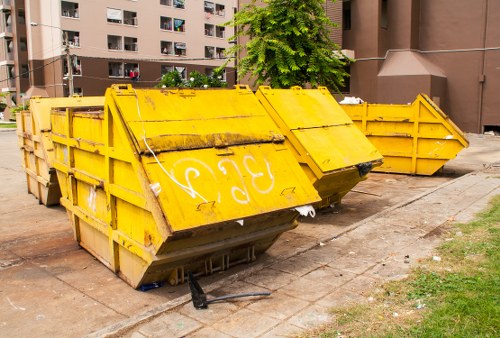
Commercial waste removal in New Cross helps businesses keep their premises clear of mixed rubbish, bulky items and routine non-hazardous waste without disrupting day-to-day work. Our service is centred on practical collection and sensible sorting, with the aim of moving commercial waste away from your site in a way that is straightforward to organise and easy to understand.
We handle common business waste streams with attention to access, loading and separation where needed, so the work fits offices, shops, hospitality premises and other commercial settings. If you need a tidy clearance plan, we can discuss the type of waste involved, the size of the load and the best collection approach. Request a quotation when you are ready to arrange the next step.
For many customers, the value lies in having one team deal with the practical side of clearance, rather than trying to piece together ad hoc disposal arrangements. That may include removing old stock, packaging, unwanted fixtures, broken items or general rubbish left after a refit, move or periodic tidy-up. Clearer floors, safer storage areas and easier access often follow once the clutter has been taken away.
Business waste collections for everyday premises
Business waste removal needs to be dependable, but it also needs to stay flexible enough for changing volumes. A small office may need regular clear-outs of mixed paper, packaging and damaged furniture, while a busy retail unit may have more frequent disposal demands around deliveries, storage changes or end-of-line stock. We can discuss the practical mix of waste rather than treating every site the same.
Commercial waste often includes items that are awkward to move, such as shelving, display units, broken chairs, desk furniture, redundant paperwork, cardboard and general bagged rubbish. Where suitable, we can separate recyclable material from residual waste so the collection is more organised. If the waste includes sensitive paperwork, a separate confidential shredding page is available for businesses that need that specific service.
Making the collection fit the work pattern
The easiest arrangements are usually the ones that fit your opening hours, loading access and internal workflow. For some premises, the main concern is keeping corridors and entrances clear; for others, it is clearing a storage room before stock arrives. A sensible plan can reduce disruption by identifying what needs to go, how it is stored and what access is available on the day.
Clearance for offices, shops and shared workspaces
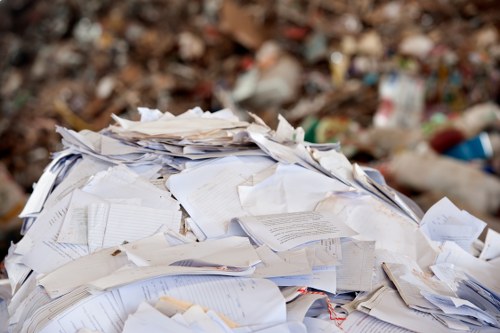
Office clearance is often about more than simply taking items away. Desks, chairs, cabinets, monitors, filing units and mixed equipment may all need to be removed in a way that keeps the space manageable during a refurbishment or relocation. We can help with general office waste and furniture clearance, including bulky items that are difficult to move through standard access routes.
For retail and shared business premises, a clearance can also involve display units, packaging waste, storage overflow and old equipment that no longer serves a purpose. The right approach depends on what needs to be removed, whether items are reusable or ready for disposal, and how the premises are laid out. Our work is intended to make the load-out process orderly rather than rushed.
When office waste is mixed with furniture or other loose items, planning matters. Keep the useful items separate from the waste, note any awkward access such as stairs or narrow lifts, and make sure the collection point is as clear as possible. That helps us manage the job efficiently and avoids last-minute confusion about what is staying and what is going.
Furniture, fixtures and bulky item disposal
Furniture disposal is a common part of commercial waste removal because business premises regularly replace worn or mismatched items. We can remove desks, chairs, cabinets, shelving, sofas and similar bulky objects where they are no longer needed. The main challenge is usually not the item itself, but moving it safely from the room, store area or upper floor to the collection point.
Bulky item disposal also suits premises that are clearing back rooms, reception areas or staff spaces after a change in layout. In some cases, a partial clearance is enough: one room may need emptying while the rest of the business keeps running. In others, there may be a larger sequence of removals tied to renovation, relocation or a general reset of the space.
Choosing what to remove first
It can help to decide whether the priority is floor space, access or disposal of the largest items first. Heavy furniture can block routes and make every other task harder, so removing it early often improves the rest of the clearance. Once the large pieces are gone, mixed bagged waste, smaller fittings and loose materials are usually easier to sort and load.
Waste from garages, stores and back-of-house areas

Garages, stockrooms and back-of-house spaces often collect the items that do not have a home elsewhere: old packaging, broken equipment, spare fittings, unused furnishings and general rubbish. Garage clearance is useful when a commercial space has become a holding area for awkward items that are no longer required but still take up valuable room. We can remove the contents in a structured way, rather than leaving you with piles to sort afterwards.
These areas can be a particular problem where deliveries, tools or maintenance materials need to remain accessible. If the clutter has built up gradually, the removal process may involve several categories of waste at once. A clear description of the contents helps us understand whether the job is mainly bulk waste, mixed junk or a combination of furniture and lighter rubbish.
Good planning can keep the job manageable. Mark any items that must stay, group waste in one area if you can do so safely, and let us know about narrow access or limited parking. Ask for a quotation when you have a clearer picture of what needs removing, and we can discuss the practical scope of the collection.
Recycling-focused disposal for common business materials
Recycling and sustainability matter in commercial waste removal because many loads contain a mix of items with different disposal routes. Cardboard, metal, some office furniture components and selected reusable materials can often be separated from the rest of the waste. Where a load includes recyclable and non-recyclable material together, sensible sorting helps improve the overall process.
Our service is not limited to one type of premises, and it is useful for businesses that want a tidier clearance without sending every item into the general waste stream by default. We can talk through the type of material involved and decide what should stay together, what should be separated and what requires a different handling route. That keeps the collection practical while respecting the material mix.
What tends to be recyclable in a business load
Typical recyclable items from commercial premises may include clean cardboard, paper records that are not confidential, metal shelves, some office furniture parts and certain plastic packaging materials. The precise route depends on the load and the condition of the material. If you are unsure, the simplest approach is to describe the items plainly so the collection can be matched to the waste type.
Specialist disposal for fridges, appliances and mixed items
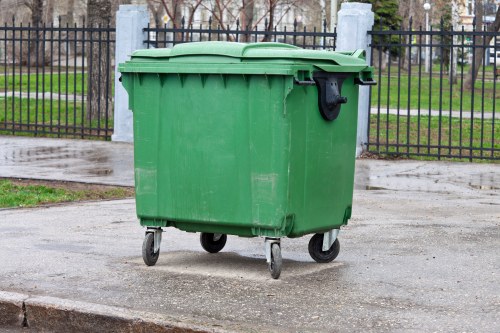
Fridge and appliance removal is often needed when business premises replace white goods, breakroom equipment or fitted units that have reached the end of their useful life. These items can be awkward because of their size, weight and shape, and some may have to be handled separately from ordinary waste. We can include appliance disposal as part of a broader commercial clearance where the load and access allow it.
Mixed-item collections can bring together appliances, furniture, packaging and general waste from one premises. That is common during refurbishments, kitchen updates, stock changes or end-of-lease clear-outs. A good result depends on identifying the items in advance, especially if anything is unusually heavy, built in or difficult to move through tight access points.
Where a business has several types of unwanted material, it can help to split them into a simple list before the collection date. You do not need a long inventory, just enough detail to show what is included and what is not. Clear notes on access, item count and any awkward lifting often make it easier to match the job to the right team and vehicle.
How quotes are usually shaped
Pricing for commercial waste removal usually depends on the volume of material, the weight or awkwardness of the items, the kind of waste involved and the ease of access. A compact load from a ground-floor office will be different from a mixed clearance that includes bulky furniture, stairs or items that must be separated before loading. For that reason, quotation work is usually about describing the job clearly rather than guessing from one factor alone.
Our pricing page gives a place to explore the factors in more detail, but the main point is simple: the more accurate the job description, the easier it is to prepare a sensible quotation. If your waste includes office furniture, appliances or mixed commercial junk, the type of items matters as much as the quantity. Keeping the description honest and specific helps avoid unnecessary back-and-forth.
One useful habit is to note which items are bulky, which are bagged, and which are loose or stacked. That allows the collection to be planned around actual handling rather than broad assumptions. A brief message is usually enough to start the conversation. Use plain details about what needs clearing, then request a quotation when you are ready.
About New Cross
New Cross is an area in south-east London with a long history shaped by transport, education, trade and urban change. It sits within the London Borough of Lewisham and is closely associated with routes towards central London, Deptford, Brockley and Greenwich. The name is thought to derive from a coaching inn and an important crossing point on old roads, and the district later developed around railway expansion in the nineteenth century, which brought denser housing and a stronger commercial presence. Today New Cross is known for its mix of terraces, student life, local shops and cultural activity, with Goldsmiths, University of London a notable part of its identity. New Cross Gate station and New Cross station provide the area with rail connections, while nearby roads carry a steady movement of people and services through the district. The local landscape also includes a range of parks and open spaces, and the wider SE14 and surrounding streets contain a blend of older residential buildings, post-war development and renewed commercial frontages. New Cross has a character that reflects both its working past and its ongoing role as a lived-in inner-London neighbourhood, with everyday activity shaped by shops, transport links, education and community venues rather than by a single dominant landmark.
Housekeeping before collection day
A smooth commercial waste collection usually depends on simple preparation rather than complicated arrangements. If the items are spread across several rooms, bringing them together in one place can save time, but only if it is safe to do so. It also helps to separate anything that is staying from anything that is going, especially in shared premises where different staff may have left items in the same area.
Access details matter as well. Stairways, loading bays, restricted entry times and parking limitations can all affect how the removal is carried out. If there is a lift, dock or internal route that must be used, it is worth mentioning early. The same applies to waste that may be awkward, fragile or unusually heavy. Accurate preparation is not about creating more work; it is about making the collection clearer and more predictable.
When you are ready to move forward, request a quotation with a clear description of the waste, the location within the premises and any special access notes. That gives the collection team a practical basis for planning, whether the job is a small office clear-out or a larger mixed commercial load. See pricing and quotes for a useful starting point, then get in touch when you want the next step arranged.
Other commercial waste services
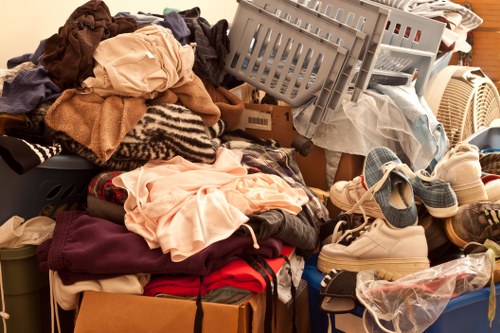
Some projects need more than a basic collection. Builders waste clearance can suit fit-outs, light refurbishment work and trades-related rubbish, while office clearance is better for desk areas, filing spaces and furniture from workrooms. When a business is emptying storage rooms or domestic-style accommodation used by staff, house and flat clearance pages may be relevant to the type of items involved and the scale of the job.
For certain premises, a more specific route is useful. Loft clearance or garage clearance may fit awkward storage spaces, while garden clearance can help with outdoor commercial areas, yard waste and accumulated material around premises. If your waste includes larger awkward pieces, mattress and sofa disposal or furniture disposal may be the nearest match, and fridge and appliance removal can cover bulky equipment that needs careful handling.
For a straightforward enquiry, send us the details you already have and we will work from there. If the waste is more specialised, the relevant service page can help frame the description before you ask for a quotation. Contact us for a quotation when you are ready to discuss the collection.